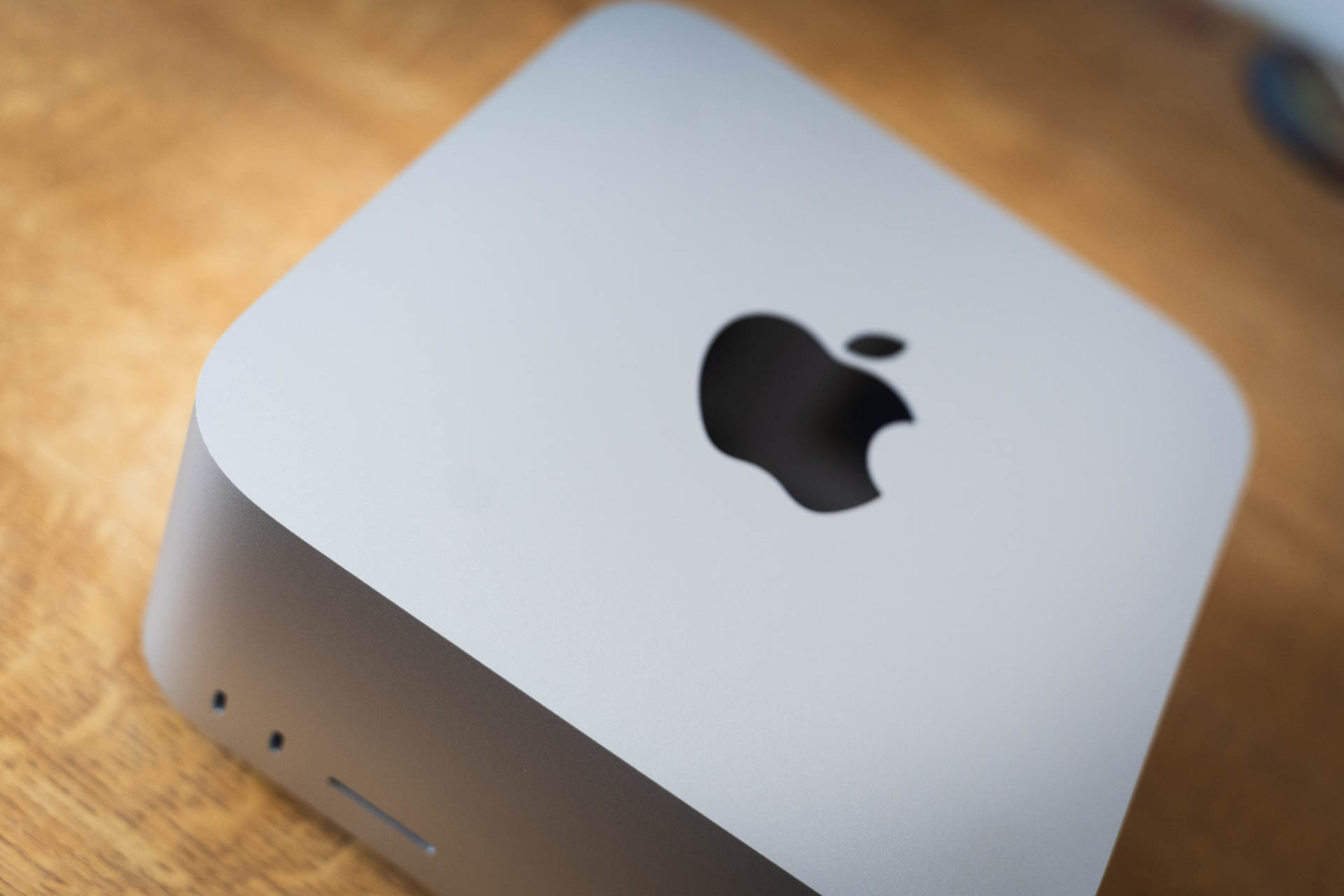
Apple’s latest Mac Studio is built for heavy professional work, but the configuration that stands out is also a statement about where AI might run next. The M5 Ultra model supports up to 512GB of unified memory, and Apple says researchers can run enormous language models entirely on the machine.
The new Mac Studio and Mac mini went on sale September 22. The 512GB Mac Studio configuration is due in late October, so it is not available at launch.
A desktop with room for larger models
Apple’s M5 Ultra Mac Studio can be configured with an up-to-36-core CPU, an up-to-80-core GPU and 1.2 terabytes per second of memory bandwidth. The M5 Ultra model starts at $5,499; Apple has not listed the final price of the 512GB configuration in its availability announcement.
That memory capacity matters because local AI models must fit their weights and working context in memory. Exactly how much a system can run depends on the model, software, precision and quantization. A 512GB machine does not make every model fast or practical, but it raises the ceiling for researchers and studios experimenting with larger systems.
Apple is also pitching clustered Mac Studios for distributed inference. The company says Thunderbolt 5 with Remote Direct Memory Access can connect multiple systems and deliver up to three times the performance of one Mac Studio in its own testing. That is a vendor claim, and the result will depend on the models and workflows being run.
Local AI comes with a large entry price
The Mac Studio is a professional workstation, not a low-cost computer for trying a chatbot. For a smaller desktop, the updated Mac mini with M6 starts at $899 with 16GB of unified memory and can be configured to 32GB. Mac mini with M5 Pro starts at $1,699 and supports up to 64GB.
Local inference can give a team more control over where a model and its data run, depending on the software being used. It can also reduce dependence on an outside API for some tasks. The tradeoff is the upfront hardware cost, and cloud data centers still have access to far more combined computing power.
Apple’s pitch fits a broader shift in its Mac strategy. The company has been emphasizing custom silicon and device-level features, from its Liquid Glass redesign at WWDC to this push for larger local AI workloads. The Mac Studio makes that direction unusually concrete: nearly half a terabyte of memory is meant to be useful for the work people run, not just a headline specification.
Sources
- Apple Newsroom: The new Mac mini and Mac Studio are available today
- Tom’s Hardware: Mac Studio M5 Ultra review and local AI testing
- The FreshWire: Apple’s Liquid Glass and iOS 26 coverage