

Commercial spaceflight just delivered one of its most consequential weekends yet, with major milestones from both the heaviest rocket flying today and the industry’s most prolific small-satellite launcher.
SpaceX’s First Orbital Starship Catch
Launching from Texas on Nov. 13, SpaceX’s Starship Flight 14 marked a turning point for the program’s orbital operations. Although a booster malfunction forced SpaceX to call off its Super Heavy booster catch attempt at the launch site, Starship’s upper stage reached orbit, completed 14 orbits over more than 22 hours, and returned to Texas for the program’s first-ever catch of an orbital upper stage.
SpaceX noted ahead of Flight 14 that the vehicle is now transitioning into operational orbital missions capable of deploying next-generation Starlink V3 satellites and commercial payloads.
Rocket Lab Reaches 100 Electron Missions
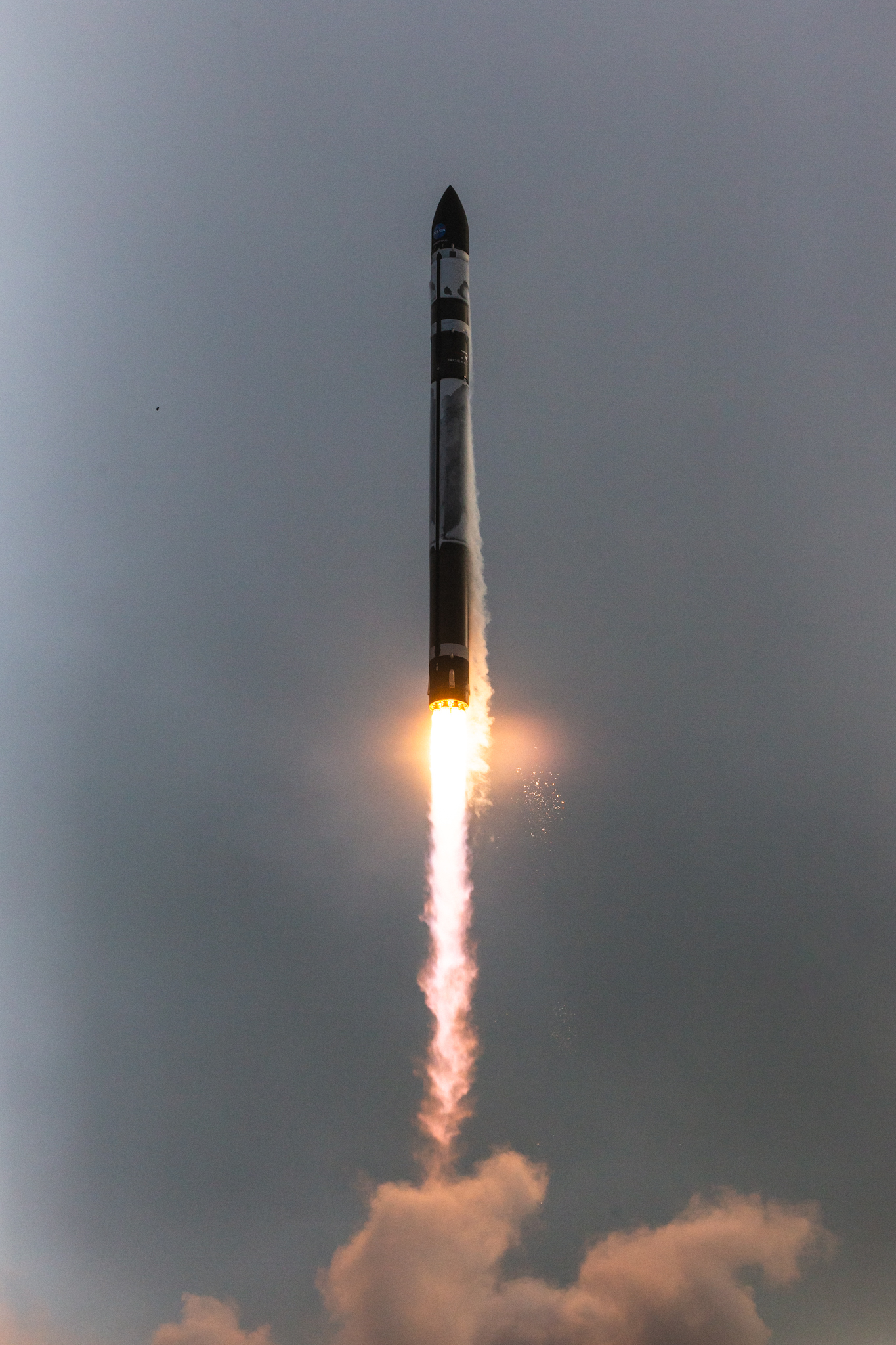
Half a world away on Nov. 14, Rocket Lab completed the 100th launch of its Electron rocket from Launch Complex 1 on New Zealand’s Mahia Peninsula. Named “The Mountain God Rises,” the mission deployed Japan’s iQPS synthetic aperture radar Earth-imaging satellite, YAMATSUMI-II, into a 575-kilometer low Earth orbit.
First flown in 2017 with carbon-composite structures and 3D-printed engines, Electron reached 100 flights faster than any other commercially developed rocket—cementing Rocket Lab’s lead in dedicated small-satellite launches even as investors look ahead to its medium-lift Neutron vehicle.
What to Watch For
Two milestones now top the commercial space calendar: SpaceX’s next attempt at a full double-catch of both Super Heavy and Starship alongside regular Starlink V3 deployments, and Rocket Lab’s transition from small-sat workhorse to medium-lift competitor as Neutron nears debut.