
For the last few years, using AI usually meant going somewhere: open a chatbot, visit a website, launch an app, type a prompt. A run of hardware announcements now points in another direction. Apple, Qualcomm, Google and Meta are putting AI closer to the operating system, the processor and the interface people already use.
That does not mean the cloud is going away, or that every feature works without a server. It does suggest that AI is becoming less like a destination and more like a capability built into the computer itself.
The model is starting to fit on the machine
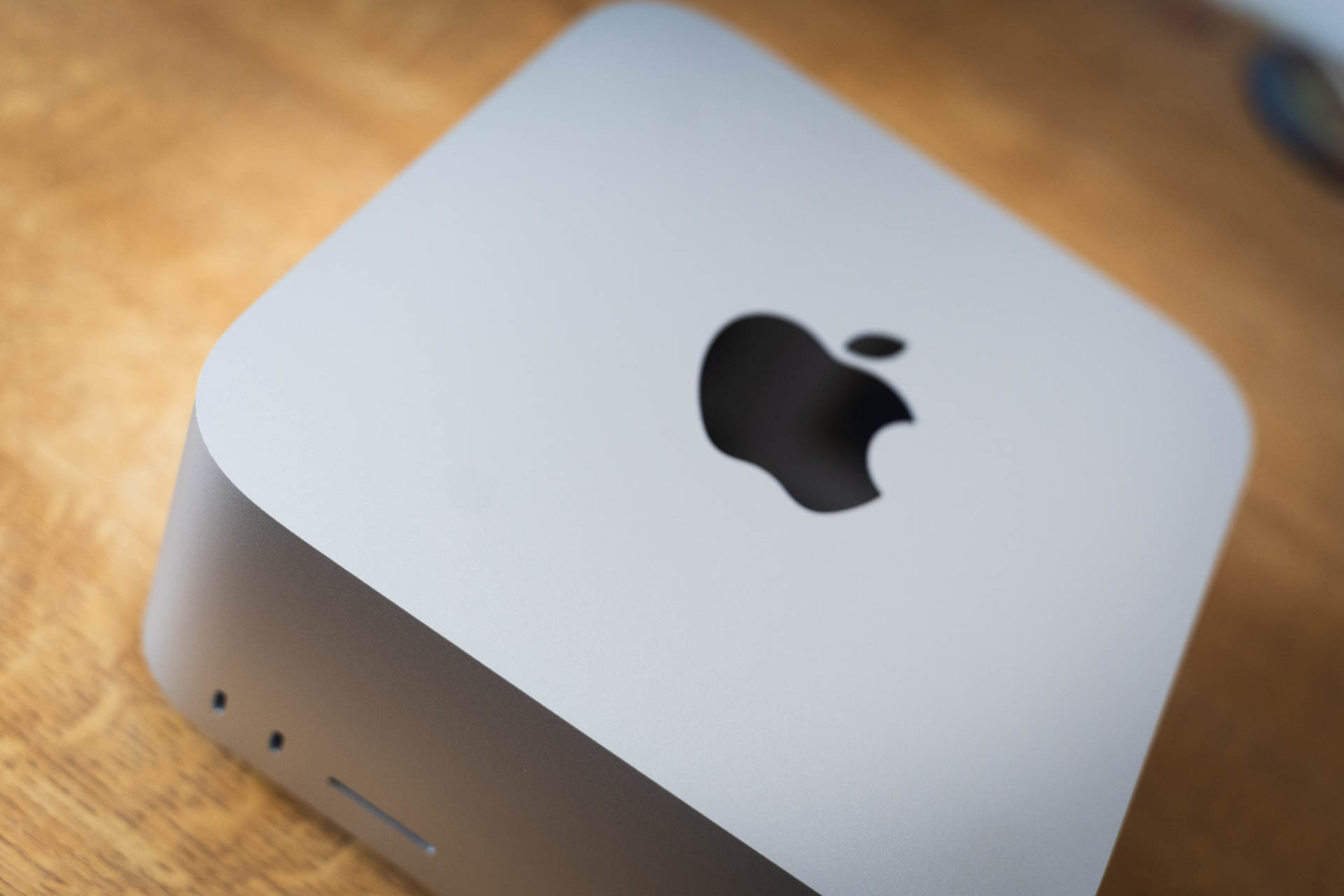
Apple’s M5 Ultra Mac Studio began arriving on September 22. Apple says the desktop can be configured with up to 512GB of unified memory and 1.2TB per second of memory bandwidth, enough for researchers to run enormous language models entirely on the device. The 512GB configuration is scheduled for late October, and the M5 Ultra model starts at $5,499.
There is independent evidence behind the basic idea, even if the top configuration has not shipped yet. Tom’s Hardware tested an M5 Ultra Mac Studio with 256GB of memory and ran local models, including Qwen 3.8-27B. That supports the case for local inference; it does not mean the reviewer tested Apple’s 512GB configuration or that every large model will run well on every desktop.
FreshWire’s earlier Mac Studio report covered Apple’s pitch for local AI. The practical change is straightforward: when a compatible model runs on the computer, that request does not need to be sent to a remote model for processing. That can matter for latency and for keeping some work on a machine the user controls. It does not prove that every assistant feature stays local, or that a powerful local computer is affordable for most people.
Phones are being designed for agents that can act
At the other end of the scale, Qualcomm announced its Snapdragon 8 Elite Extreme Gen 6 and Snapdragon 8 Elite Gen 6 phone platforms on September 22. Qualcomm is marketing them around “agentic AI” and on-device intelligence. TechCrunch separately reported that the Extreme version can run a 30-billion-parameter mixture-of-experts model locally.
That is a more ambitious pitch than putting a chatbot shortcut on the home screen. A phone is already where people manage calendars, photos, messages and apps. An assistant that can work across those tasks could save steps, but only if its access is clear and its actions are easy to review, stop or undo. A mistaken answer is frustrating; a mistaken message or purchase can have consequences.
Qualcomm’s announcement describes platform capabilities and a coming device ecosystem, not a guarantee that every phone will perform every task locally. FreshWire’s Snapdragon coverage has more on the chip launch and the company’s agent-focused claims.
Google is building a laptop around Gemini
Googlebook makes the operating-system shift especially visible. Google has opened preorders for the new laptop line at $899, with U.S. retail availability beginning October 4. The company describes Googlebook as designed for Gemini Intelligence, with features such as Magic Pointer for working with what is on screen, Rambler for turning speech into organized text, and Create My Widget for building small tools from a description.
These are Google’s descriptions of a new product, not proof that every feature will be useful in daily work. TechCrunch’s early analysis noted that parts of the Magic Pointer idea overlap with existing Android tools such as Circle to Search. That raises a real question for Google: can the operating system make the assistance feel coherent enough to justify a new laptop, rather than simply adding another AI button?
Googlebook also mixes local hardware with cloud services. Google says the laptops include a year of Google AI Pro, and some capabilities rely on Google’s online services. FreshWire’s Googlebook report covers the $899 starting price, preorder timing and the platform’s other features.
Meta is splitting the computer between your face and your pocket
Meta’s new VR Glasses take the interface off the desk. Announced September 23, the glasses weigh about 100 grams and put Meta AI into the operating system. Meta says users can speak, use eye movement and make hand gestures to open apps, play video or adjust a workspace.
The light frame depends on a separate puck connected by an optical tether. Meta says the puck handles computing, battery and storage; Axios also tried a prototype and described the puck as a necessary part of the system. The glasses are planned for spring 2027 at $1,299.99.
That design makes the “computer disappearing” idea literal in one way: the display and sensors sit near your eyes, while much of the processing moves into a device in your pocket or bag. The computer has not vanished. It has been divided between a wearable interface and a tethered box. FreshWire’s Meta VR report has the product’s announced features and release window.
The cloud still has a job
None of these launches makes data centers obsolete. Local models can be useful for tasks that benefit from speed, offline access or keeping a particular request on the device. Cloud models can still handle larger jobs, frequently updated services and features that a phone or laptop cannot run by itself. In practice, the work is likely to move between the two.
Cloud AI is also getting cheaper. OpenAI says GPT-6 Sol and Luna cost 50% less per token than its GPT-5.6 promotional pricing. That is OpenAI’s comparison against its own promotional rates, not an industry-wide price measure. FreshWire’s GPT-6 coverage puts that announcement in the broader model-price competition.
The likely arrangement is a division of labor: a device handles some private or time-sensitive work, while a remote model takes on jobs that need more scale. Ideally, the person using the device will not need to think about where each step runs. But companies still need to make that boundary visible when it affects privacy, cost or control.
A built-in assistant needs built-in limits
Moving AI into the operating system changes the questions users should ask. What can the assistant read? Which actions require confirmation? Where does a request go when the local model cannot handle it? Can the user see what happened and reverse it?
On-device processing can reduce the information sent away for a particular task, but it does not answer those questions by itself. Nor does calling a feature an agent explain how much access it receives. A useful system will need permissions people can understand, clear handoffs to cloud services and confirmations before consequential actions.
The announcements do not prove that people want an AI agent in every device. They show where the industry is placing its bets: models closer to the screen, software ready to act across apps, and new hardware built to keep those features nearby. Chatbots may have taught people to speak to computers. The next test is whether computers can help without taking control away from the person using them.
Sources
- Apple: M5 Ultra Mac Studio announcement and on-device AI claims
- Apple: Mac Studio availability, pricing and 512GB timing
- Tom’s Hardware: Independent Mac Studio M5 Ultra testing
- Qualcomm: Snapdragon 8 Elite Gen 6 announcement
- TechCrunch: Qualcomm’s new smartphone chips and AI focus
- Google: Googlebook pricing, preorders and availability
- Google: Gemini features built into Googlebook
- TechCrunch: Googlebook’s Gemini strategy and early assessment
- Meta: VR Glasses weight, design, AI controls and release plans
- Axios: Hands-on with Meta VR Glasses
- OpenAI: GPT-6 Sol and Luna pricing announcement


