

Just one day after Grand Theft Auto VI launched on consoles, Neuralink released a striking demonstration of how brain-computer interfaces are beginning to intersect with mainstream gaming accessibility.
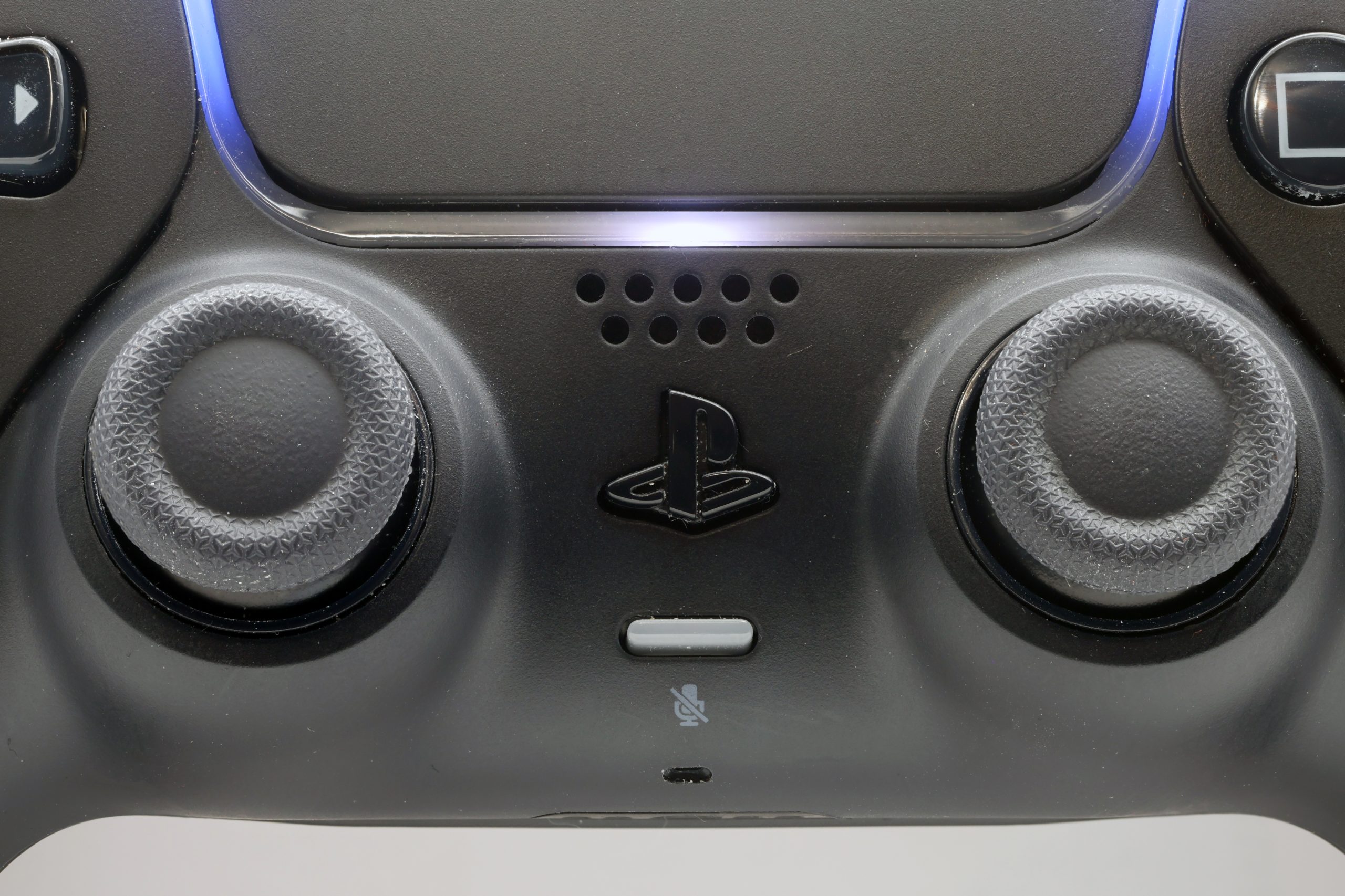
In a two-minute video shared on Nov. 20, an unnamed Neuralink clinical trial participant—who previously had to play video games using a mouth stick—controlled Grand Theft Auto VI on a PlayStation 5 using only brain signals. According to coverage of the demonstration, the interface translates imagined ring-finger taps and hand slides into standard PlayStation 5 controller inputs, enabling the player to steer vehicles, pilot a speedboat, and navigate the game without touching physical hardware.
The clip arrives during a broader wave of momentum for implantable brain-computer interfaces, as clinical trials test not only cursor control and speech synthesis but also complex, real-time multi-button inputs required by modern 3D action games.
What to Watch For
While single-patient demonstrations remain early clinical milestones rather than consumer products, watch how console makers—Sony, Microsoft, and Nintendo—expand assistive-controller standards and APIs over the next few years so emerging neural and eye-tracking interfaces can plug into mainstream games out of the box.