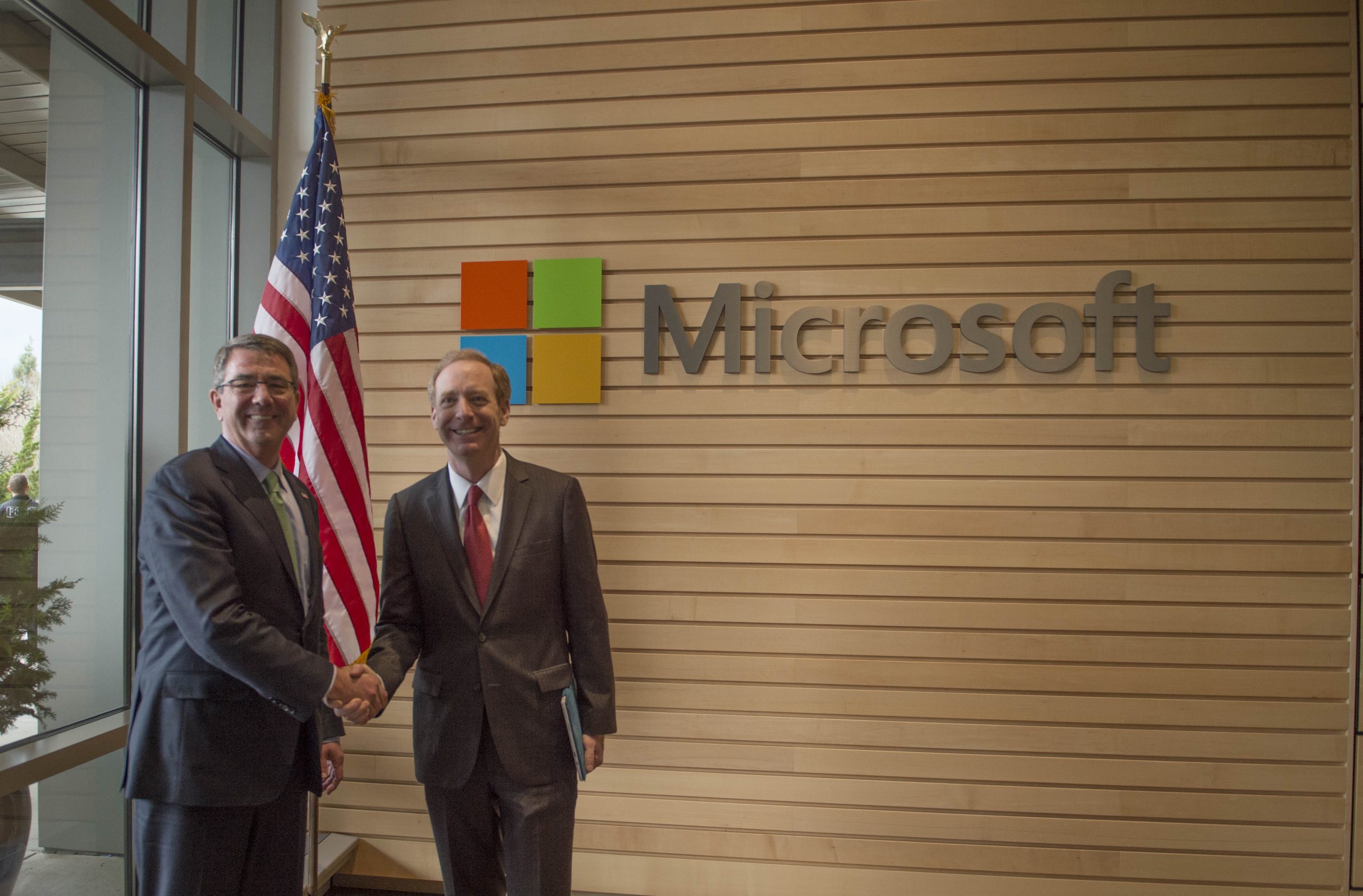

Appearing on CBS’s “Face the Nation with Margaret Brennan” on Sunday, November 22, 2026, Microsoft President and Vice Chair Brad Smith apologized again for Microsoft’s 24-hour global outage earlier this month and warned that organizations should brace for more turbulence in the coming months as AI accelerates how quickly software bugs are found and patched.
Smith clarified that Microsoft’s November 12 outage—which disrupted corporate email and newsrooms worldwide—was neither a cyberattack nor caused by AI. Instead, he described it as a “perfect storm” in which a software update from four months earlier interacted poorly with a newer update and a shift in network traffic. Microsoft has published two post-incident reports over the past 10 days, completed nine remediation steps, and committed to 13 additional changes.
Broadening the lens to the wave of tech outages hitting companies this fall, Smith framed them in substantial part as “AI ripple effects.” Because AI tools have made it dramatically easier to uncover vulnerabilities in existing code, defenders and attackers are now locked in an unprecedented speed race.
When IT teams rush to patch legacy infrastructure faster than ever to stay ahead of bad actors, Smith noted, they have less time to test code changes—raising the odds of service disruptions. “The whole information infrastructure of the world is in effect being upgraded right now,” he told Brennan, advising consumers to install phone and laptop security patches promptly while urging enterprises to modernize legacy systems and expand threat-intelligence sharing with the federal government.
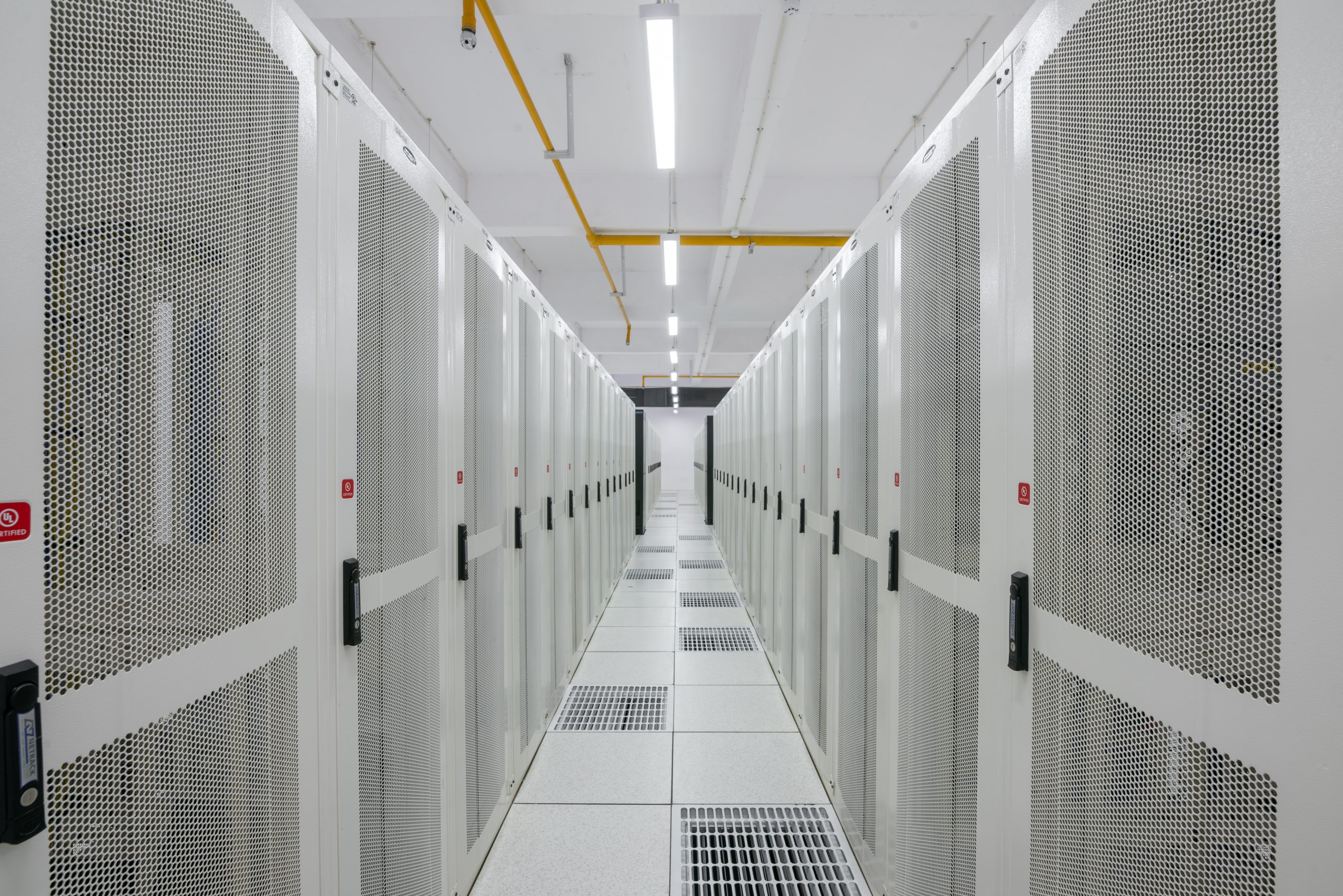
Smith also pushed back gently on a White House proposal to levy heavy taxes on U.S. tech companies that build data centers abroad. Microsoft operates more than 600 data centers across 34 countries. While Smith said there is room to discuss training the most advanced frontier AI models in the United States, he stressed that most cloud data centers power everyday services—streaming video, online gaming, and local business apps—that physically must sit near customers. “You can’t support Helsinki from New Jersey any more than you can keep the lights on in Helsinki from an electricity power plant in New Jersey,” he said.
Pressed on congressional criticism over ByteDance’s reported use of Microsoft cloud and AI tools alongside Microsoft’s Pentagon contracts, Smith noted that TikTok’s U.S. operation is now a separate company and said Microsoft is prepared to answer lawmakers’ questions on Capitol Hill.
What to Watch For
Watch for Microsoft’s remaining 13 outage-prevention updates and whether Washington moves forward with formal legislation targeting overseas data center buildouts—a debate that directly affects cloud latency for global streaming, gaming, and enterprise users alike.