
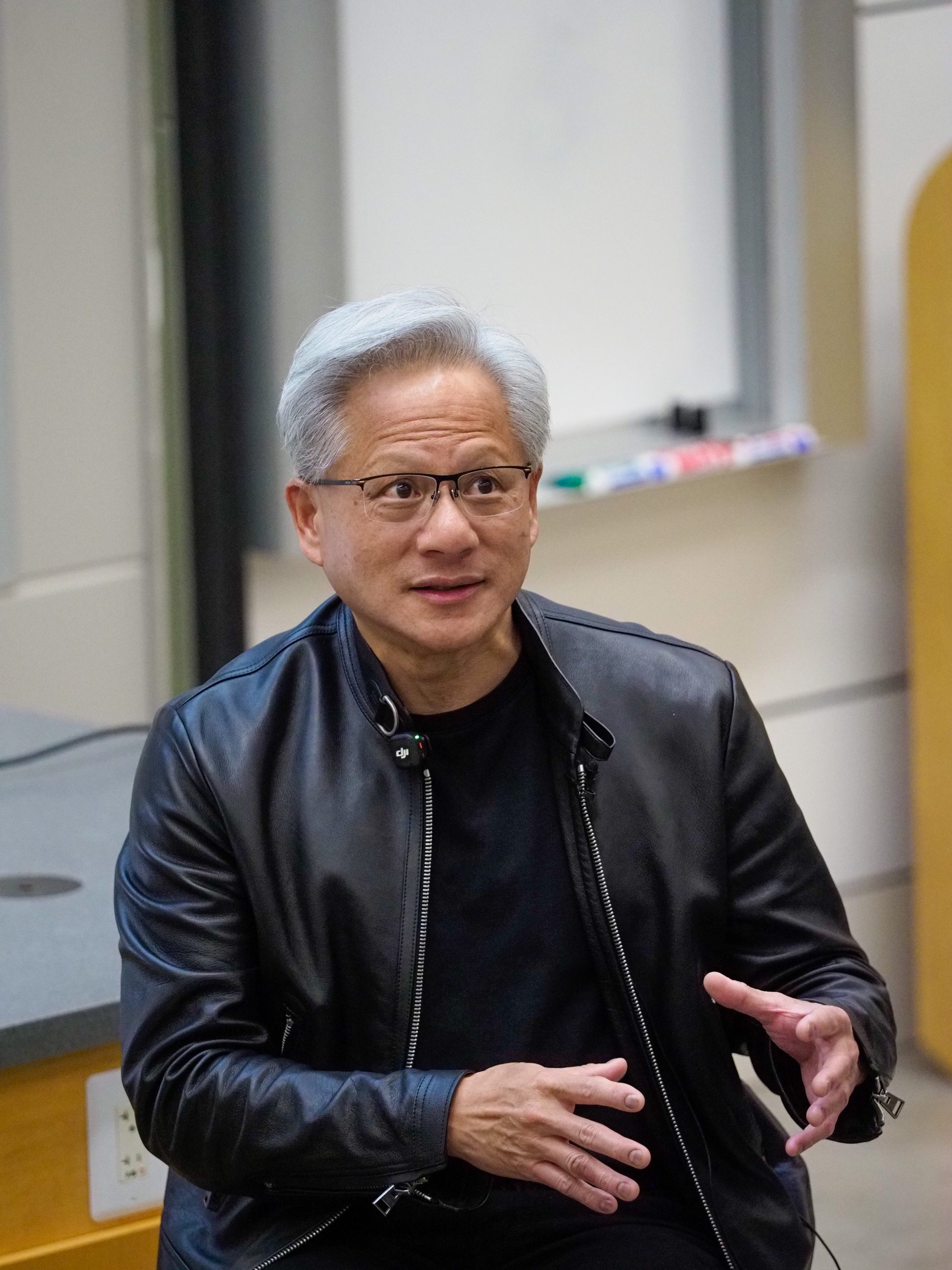

For the first time in 33 years, Nvidia is operating without co-founder Jensen Huang at the helm—and the company’s board has made clear it is not turning back.
In a Form 8-K filed with the SEC on Nov. 12, Nvidia confirmed that its board accepted Huang’s resignation as president, chief executive officer, and director effective Nov. 11, following an independent board investigation into personal conduct revelations. Longtime CFO Colette Kress, who has led Nvidia’s finances since 2013, stepped in as interim CEO while retaining her CFO role, and director Harvey C. Jones—a board member since 1993—was named Nvidia’s first-ever Chair.
The leadership drama escalated on Nov. 17 when Huang broke his silence, apologizing for his personal mistakes and stating he would be honored to return as CEO if the board believed it served shareholders and employees. Later that same day, Jones shut down the prospect of a reinstatement, saying the board does not plan to rehire Huang and has full confidence in Kress while searching for a permanent successor among internal and external candidates.
What Changes—and What Doesn’t
Nvidia’s leadership message to investors and hyperscalers has centered on continuity. Jones stated that operations, customer commitments, and the company’s product roadmap are expected to continue without interruption. Even after stepping down, Huang remains one of Nvidia’s largest individual stakeholders, holding roughly 870.6 million shares—about 3.58% of the company—according to Nvidia’s May 2026 proxy statement.
What to Watch For
Nvidia’s biggest test over the next two quarters is governance and execution under interim leadership. Watch for two signals: who emerges as the permanent CEO (a deeply technical internal chip architect versus an outside operations veteran), and whether AMD, Google, and custom cloud silicon programs use the transition window to win multi-year data center commitments from major AI buyers.


