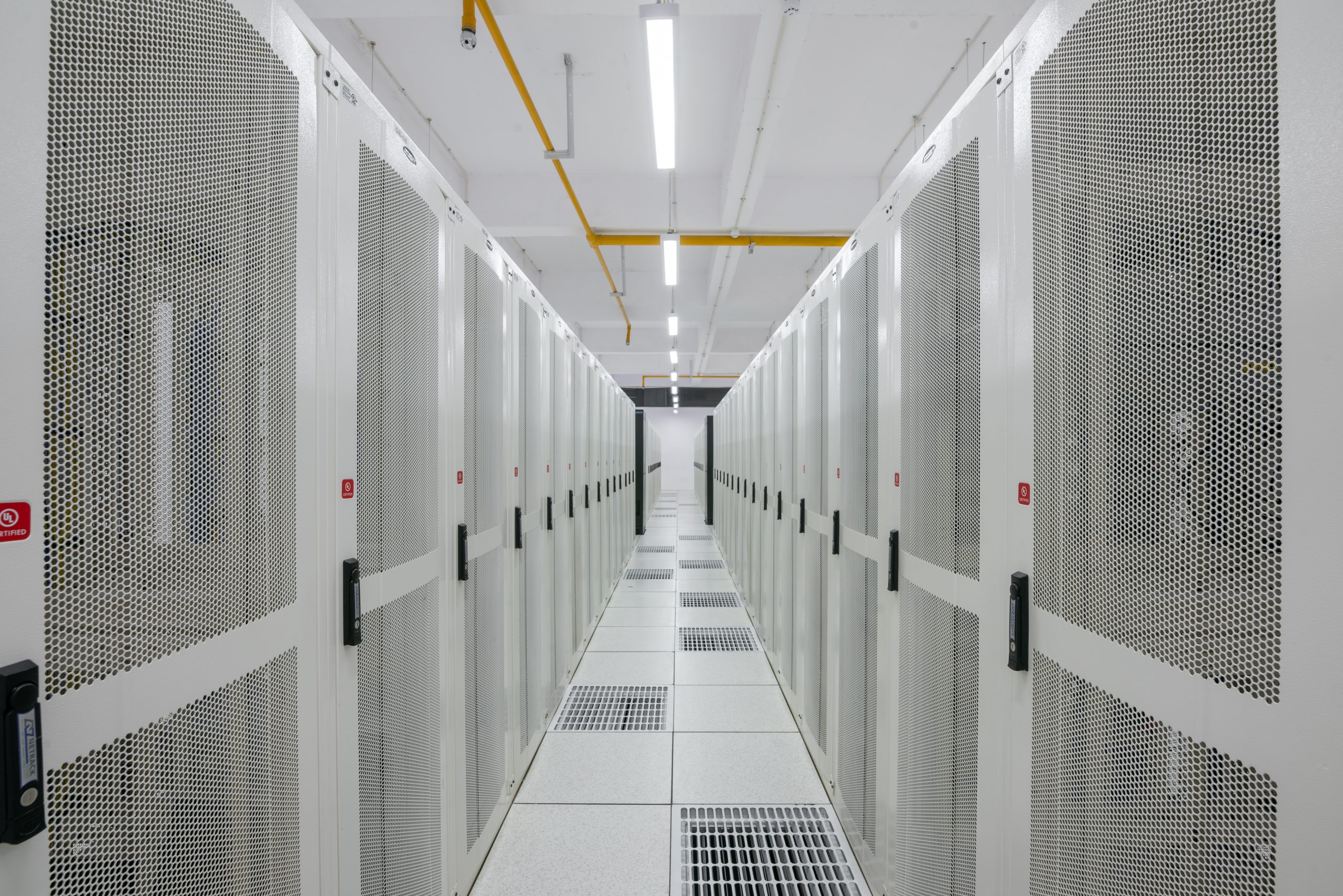

SpaceX is no longer just a rocket and satellite company—it is rapidly becoming one of the largest landlords of artificial intelligence computing power, and its next $74 billion bet is running straight into local power-grid politics.
Unveiled on Nov. 12, SpaceX’s expansion plan commits more than $74 billion across two massive AI supercomputing campuses: a $24 billion site in Texas designed to generate its own electricity, and a $50 billion campus in Arizona that still requires local county approval. Both projects face pivotal Dec. 9 votes, and scrutiny is intensifying: Arizona’s attorney general has pushed for a delay on the $50 billion campus as state officials and residents press for answers on who ultimately bears the cost of grid upgrades and power demand.
The stakes reflect how fast SpaceX’s compute-leasing business has grown. By September 2026, SpaceX’s AI and compute leasing arm had reached an estimated $41.1 billion annualized revenue run rate backed by long-term contracts with major labs including Anthropic and Google, with 1.7 gigawatts of installed capacity and ambitions to reach up to 10 gigawatts by the end of 2027. Microsoft CEO Satya Nadella also signaled this month that Microsoft would be open to leasing SpaceX compute capacity if it becomes available.
What to Watch For
December 9 is the date to circle. Whether Texas and Arizona approve, delay, or attach strict power-cost conditions to SpaceX’s campuses will set a closely watched precedent for how states regulate mega-scale AI data centers as U.S. data center power demand climbs nearly 19% a year.